
Mastering conflict is a core capability for today's leadersMark Rosenberg is an executive coach, mediator and faciliator who empowers leaders and their teams to achieve their potential. Mark started his career as a lawyer, then worked in senior management roles in the private and public sector, before branching out as a mediator and creating Balanced Curve, based in Gladesville Sydney. The company are experts in conflict management, executive and team coaching, mediation and facilitation. You can read more about them at balancedcurve.com. 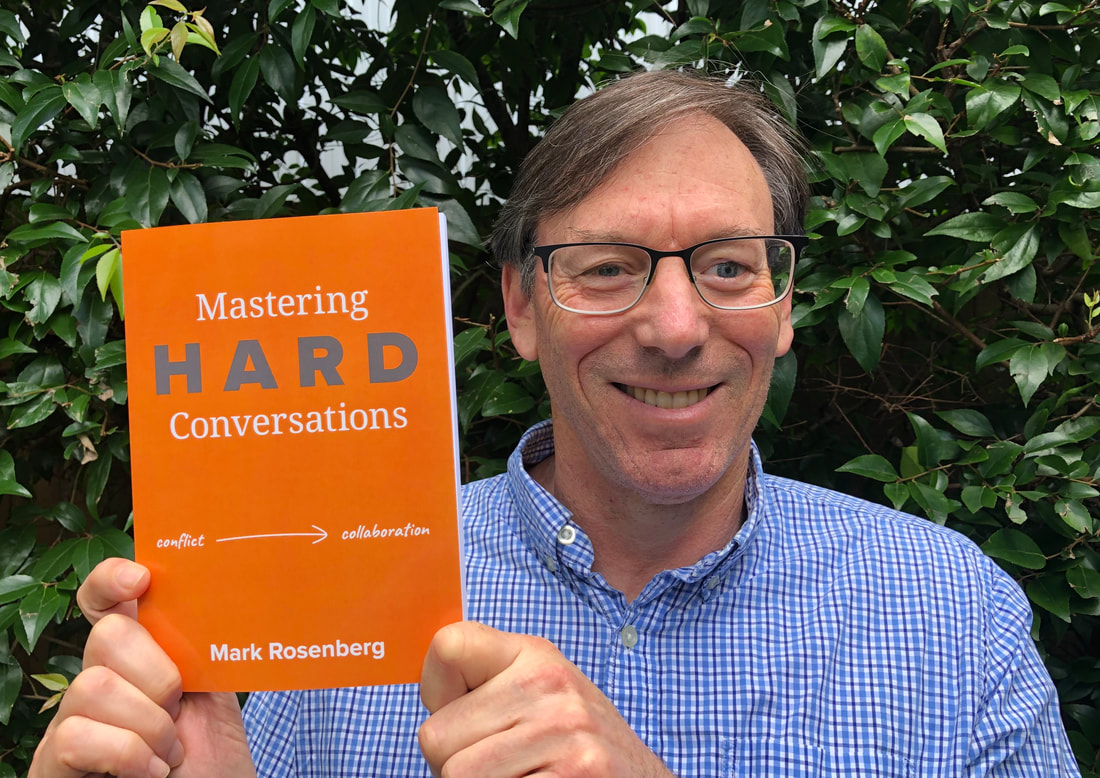 As a lawyer, Mark was dealing with hardcore disputes that were expensive and involved a lot of management time. As a mediator, however, he realised his strength was dealing with conflict. Over the years he has helped thousands of leaders become better at having hard conversations. With this wealth of knowledge and firsthand experience, Mark wanted to share what he's learned with others so they have the opportunity to be better communicators and handle conflict better - afterall, it's something that many of us struggle with! He did this utilising the experience of the team at Publish Central (who also told him about RM Marketing Services!) and published a book called Mastering Hard Conversations: Turning Conflict into Collaboration. The key message of the book is simply: conflict in the workplace is inevitable. That means that as a leader - whether that's the CEO or senior management team, or a leader within your own team, or a thought leader within an organisation - being skilled in dealing with conflict and having uncomfortable conversations has enormous benefits. Mastering Hard Conversations provides a proven, practical, structured approach to help you become a better leader by improving your communication and conflict skills. Mark came to us to talk about marketing and publicity support - as well as support and advice while he navigated the world of publishing and bookselling. Like many independently published authors, navigating the metadata minefield was the first challenge - ensuring that accurate, enhanced information on the book was sent out in data feeds to online booksellers was tricky for someone who hasn't experienced it before. For many indie authors, online booksellers are THE main sales channel due to the nature of publishing and distributing a book using the Ingram Spark platform (print to order and ebook distribution) so getting this information right was a priority. We then discussed ways of disseminating information about the book to core booksellers and library suppliers. We also mapped out plans for content and social media posts, particularly using LinkedIn for engagement where Mark had a loyal, supportive following. We also worked with some online sites and Mark spoke to his peers who have podcasts about teams and teamwork. Our good friends at Books+Publishing included him on their #booksareessential campaign which has 10,000 followers on Instagram. We liaised with reviewers and we provided promotional and marketing support as the weeks progressed. As icing on the cake, Mark was able to turn a profile about his house into an article about the house, his dogs Peggy Sue and Honey, and his book! The article is below however the online article had a different heading - Lockdown at home proved perfect for Mark Rosenberg to write about conflict management - which was pretty perfect! You can read it here on The Australian website.  Since we've been working with Mark on his book, we've seen Mastering Hard Conversations in and out of the Top 50 books in mediation and conflict resolution on Amazon, and even in the Top 3! It's a book that resonates with readers because it's practical, well-written and helps them develop their knowledge and skills in conflict resolution and communication within teams. You won't be surprised to hear, we're big fans of the book, particularly Chapter 8 - Dealing with Certifiable Assholes! Listen to Mark speak about that chapter here.
As an executive coaching working with leaders at all levels of management I can’t recommend this book highly enough. Most of us find ‘hard conversations’ extremely difficult and none of us are born with the skills of knowing how to have them well. Mastering Hard Conversations provides a clear, practical guide: there are great tips and examples, not just for having a challenging conversation, but also how to prepare to have one. This is definitely a book that every leader should have at hand.
1 Comment
 We recently contributed this article to the Independent Publishing newsletter from our good friends at Books+Publishing. If you haven't subscribed to their newsletters, we highly recommend you do so now.
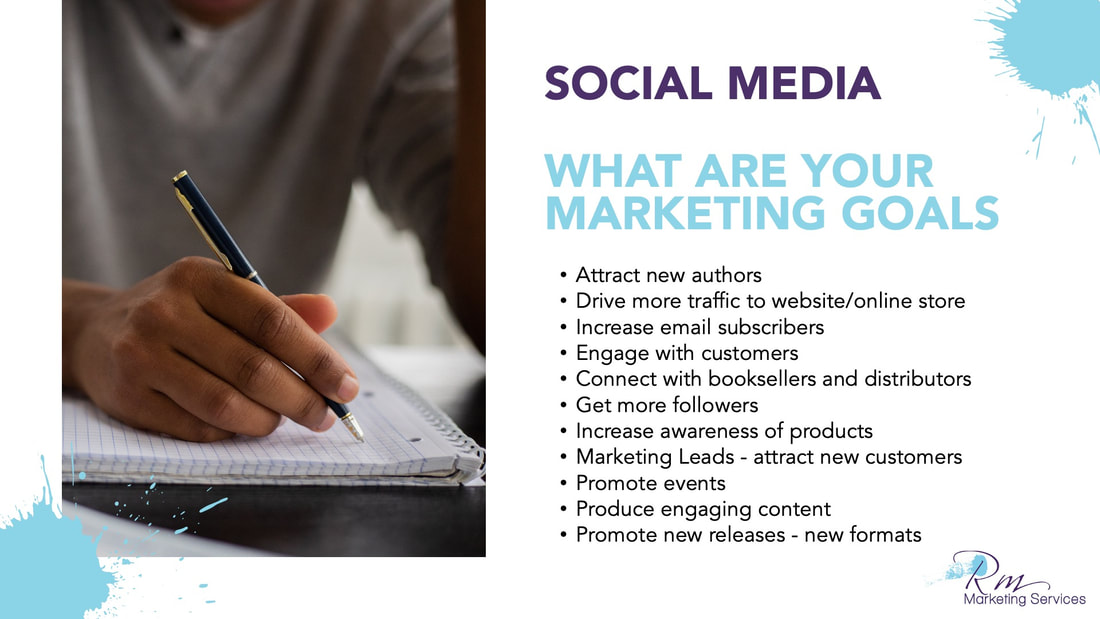
All the social media and marketing advice says if you are engaging with an audience—with consumers, with booksellers, with librarians and teachers—you’re going to need a social media strategy. Social media is about starting a discussion—about you, your product, your services. ‘Discussions’ do not increase sales—they create awareness. Your job is to enhance this awareness so you can develop a brand, build reader loyalty and have a sales strategy that makes it easy for someone to buy your book. That may be through bricks and mortar bookshops, online booksellers, special accounts or directly from your website. It should not be used solely as a sales strategy but linked to your overall sales and marketing plan for your books. Lesson one: start early One thing to keep in mind is that author and product awareness doesn’t happen overnight! You need to be thinking about your digital and social media strategy a long time before your book is published. As an industry consultant, there’s nothing more frustrating than getting a phone call or an email because someone has ‘written a book’ and they tell me the book has just come back from the printers, can I help with a website, promotions, publicity, getting them on the socials? They have published a book and no one can find them! They have no brand, no online presence, no followers, no readers, no SEO search results—zero digital footprint as an author. They are starting too late to build their author brand in a way that will maximise promotional and publicity opportunities. Don’t leave it to the last minute to develop a digital and social media action plan. Lesson two: define your goals So what is social media marketing? It is essentially a way of creating content in multiple formats then distributing that on an online platform designed to drive engagement, encourage discussion and share information for consumers. It builds virtual networks and communities. It’s a conversation. And if you’re an author, it will provide direct access to your readers and vice versa. Another thing to keep in mind is where social media is taking place. Statistics shows the number of smartphone users in the world is forecast to be 7.9 billion this year and of those 3.96 billion are on social media. (Which reminds me: you need to be thinking mobile for your website as well. Is it mobile–friendly? There are plenty of online services now that can help you with your website and have it integrate with social media. Wix, Weebly, Squarespace, Shopify and others can connect the dots for you. Websites aren’t expensive these days and you can contact industry professionals to help you get started.) While I think everyone needs to have a social media strategy, that doesn’t necessarily means that everyone will have one. As authors and publishers one of the best things you can do is define what your social media strategy looks like. What are your goals? What are the platforms that are right for you? How will you communicate in those channels? Discover the voice that works best in those you want to engage with—then work out the best way to create and schedule content across those platforms. Do you have a content plan going forward? How will you keep the engagement going? The best way to think about social media is to write down your goals. What do you want social media to do for you? Do you want to:
Lesson three: know your audience I read somewhere that unless you can answer the question ‘who is your audience’ then you’re wasting your time on social media! But now I’m going to hit you with the big question: who is your audience? This is really important for advertising on social media as you’ll need to identify your core audience, market to a custom build audience or a consider look-alike audience. So, who are your readers? What do they read? What podcasts do they listen to? What magazines do they read? What television do they watch? What sex are they? What age group? Where do they live? What keeps them up at night? What type of content are they craving? Do they stream content? Listen to ABC radio? How do they entertain themselves? Over time social media analytics will build a nice but general profile of your readers so you will be able to discover who they are and continue to build discussions around them. Knowing your audience will help with your digital marketing strategy including email marketing and website. If you can’t define your audience or some buyer personas, why did you write your book? |
AuthorRachael McDiarmid has been in the Australasian book trade since 1990. Working in trade, academic and professional publishing as well as library supply and book distribution, she's worked with thousands of publishers, distributors, library vendors, and authors around the globe. She loves a belly laugh, strong coffee, wine, and good food. Venice is her favourite place in the world to visit but Sydney will always be home. She loves her office assistant Dash (also known as Dashie, Dashie Dog and the Little Shit). If you haven't already worked it out, she is known for her no bullshit approach. Archives
July 2024
Categories
All
|
 RSS Feed
Recommendations"Rachael is, quite simply, a book industry genius."
— Franscois McHardy, Former Managing Director, Simon & Schuster Australia "I thoroughly recommend her for her insights and intelligent analysis." — Terri-Ann White, Director, Upsell Publishing & Former Director, UWA Publishing |
for more recommendations please go to LinkedIn
|