
 Maximise your book's reach through social media and advertising on your favourite platforms.We have a running joke about social media in that we're too busy doing other people's social media channels that we don't pay much attention to our own! And we rarely market our business because we don't need to. Word of mouth from existing clients and recommendations from others in the global publishing industry keep us busy with our outsourcing solutions and consulting services. But for authors, small and specialist publishers, having a social media content strategy is important.
And we can help with that. In fact, we are always being asked about social media as part of the marketing mix! We've been invited to do multiple presentations on it - from small presses to university students through to Writers' Festivals and writing centres. And it's great to watch the audience work through their marketing strategy and determine the social media channels they want to work with. Social media is an important channel for book marketing but many authors still don't know what to post or feel uncomfortable about what they share. For some people it is extremely important, others have very little understanding of how social media works, and there are authors who just aren't right for this form of marketing. Trust us, social media is not for everyone. That comes down to these key points about social media platforms which are there to:
And authors and small presses, need a content strategy in line with their overall marketing strategy. There's plenty of content ideas - share behind the scenes content, excerpts from your books, endorsements, reviews, events, launches, customer visits, industry news & awards etc. Engage with readers by consistently posting and interacting - you'll increase your book's visibility and build a community around your work. Don't forget to use hashtags and collaborate with others (booksellers, librarians, influencers) to help reach a wider audience and drive more sales. Remember: it's not the quantity but the quality that counts. it's about having an engaged audience. Engagement figures are much more important than impressions but everyone gets lost in the higher numbers of those 'eyeballing' their posts, particularly when advertising/boosting their content. Need help with social media? We can help you build a content plan for your social media channels. Book in an author marketing and coaching session with us and take advantage of 34 years experience in the book publishing industry. We'll guide you through the process but more than that - our services cover everything from distribution to publicity, social media to websites. Depending on availability, we can also look after your social channels as well. Our online author consulting services are reasonably priced and we offer flexible "out-of-office" hours for one hour meetings.
0 Comments
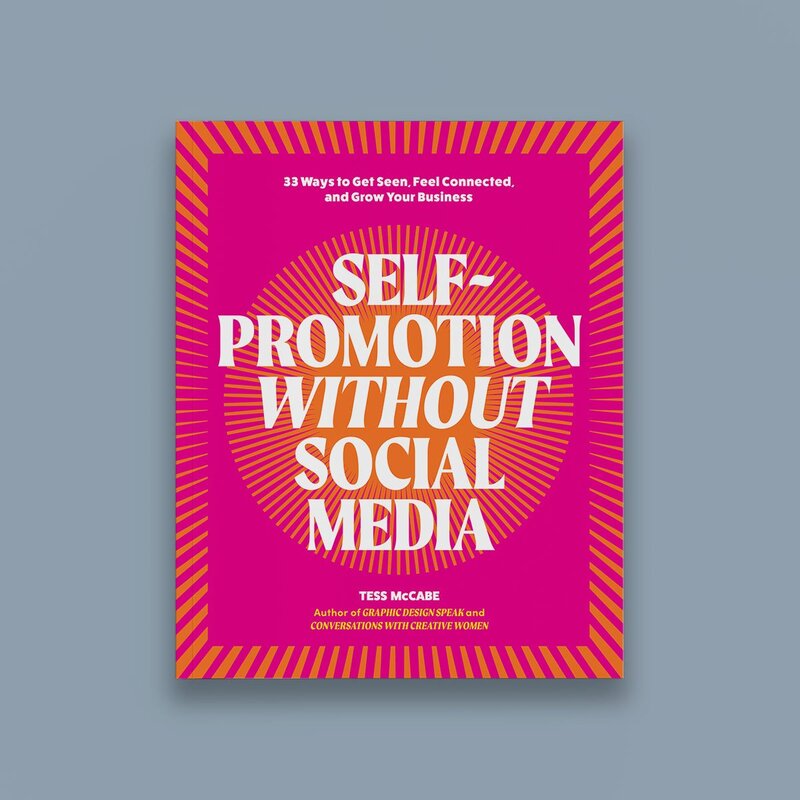
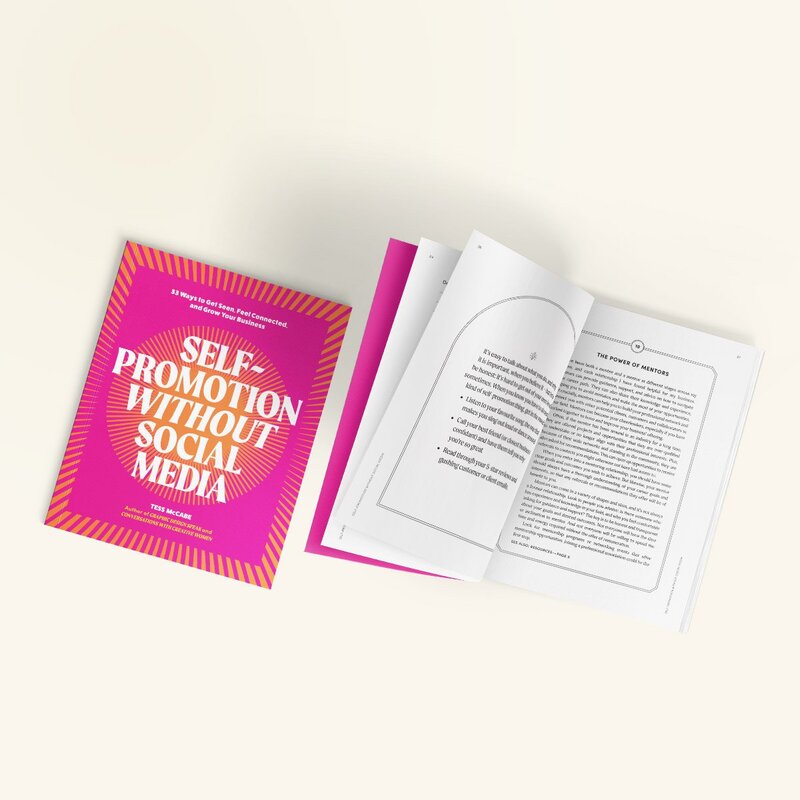
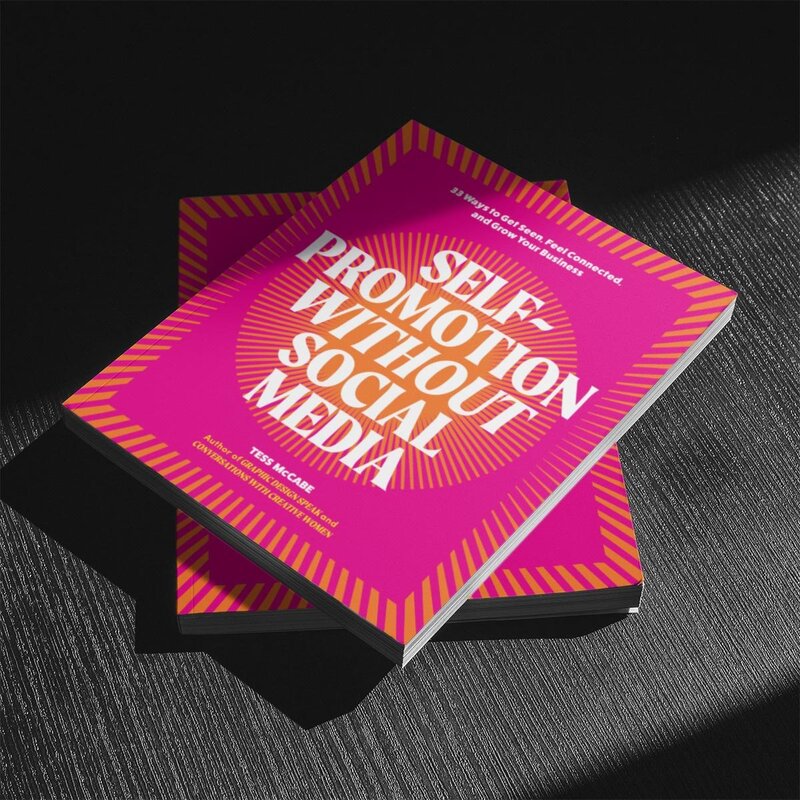
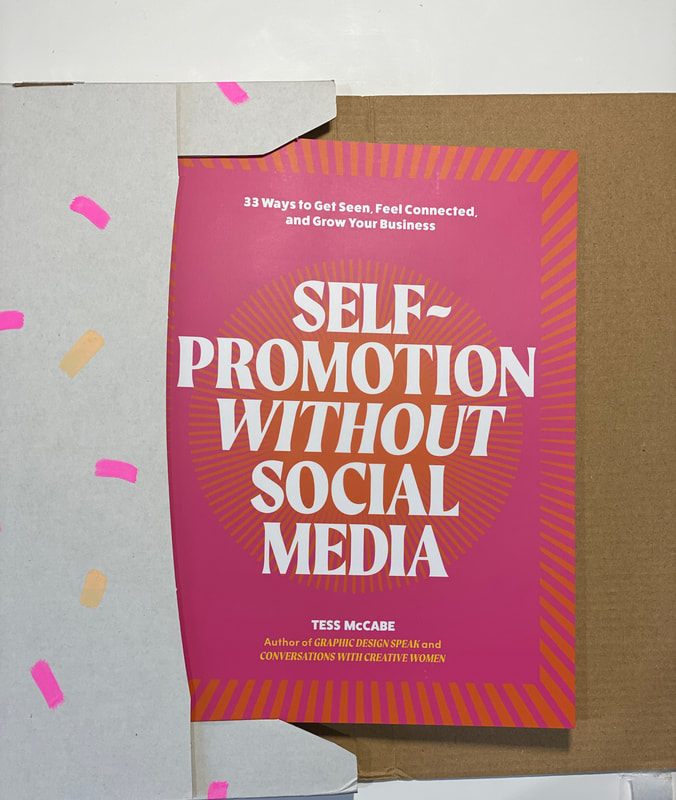
Self-Promotion Without Social Media: 33 Ways to Get Seen, Feel Connected, and Grow Your Business
New online coaching service for authors and small presses In addition to providing outsourcing solutions for publishers, distributors and others in the book industry, we also have a consulting and coaching arm. Some projects we work on are related to sales, operations, distribution and business development. Many are for organisations and publishing companies based overseas and often in partnership with larger consulting firms to the book industry.
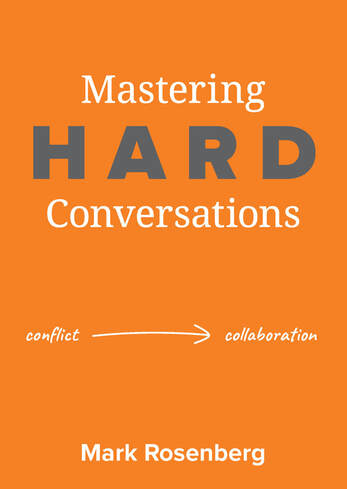
We've recently we've been doing more and more book marketing and industry *coaching* work. Clients are asking for custom services, particularly around digital marketing and social media - for their authors. We already provide outsourced marketing services that include managing websites, digital marketing campaigns, social media and digital advertising so this is taking it directly to authors who want to create a brand, who want helpful advice and guidance on marketing that is specific to them. One size does not fit all, as we know only too well. Most of the work we do here at RM Marketing Services is with professional, scholarly and university presses. We're more than happy to extend these services to publishers of all sizes who have authors who are uncomfortable with the online world, don't understand social media, and who need some hand-holding and one-on-one coaching with digital and social media marketing. As an added bonus, this is a flexible service which can be done out of "normal" business hours. We offer a discounted hourly rate for publishers with regular bookings as part of their author care approach. Indie authors are also welcome and we're happy to do a workshop with a small press or writing group. There are plenty of books and websites available on how to market books and how to maximise social media and digital marketing efforts but the authors we work with, particularly those working in corporate, professional and university markets, don't have the time to read them all. They are looking for tips and tricks and how to raise their profile in the channels in which they work - and more importantly, a social media and marketing strategy that works for them. Publishers! Get in contact with us to see how we can support the work you do with your authors. Another string to your author care bow. #yourewelcome Mastering conflict is a core capability for today's leadersMark Rosenberg is an executive coach, mediator and faciliator who empowers leaders and their teams to achieve their potential. Mark started his career as a lawyer, then worked in senior management roles in the private and public sector, before branching out as a mediator and creating Balanced Curve, based in Gladesville Sydney. The company are experts in conflict management, executive and team coaching, mediation and facilitation. You can read more about them at balancedcurve.com. 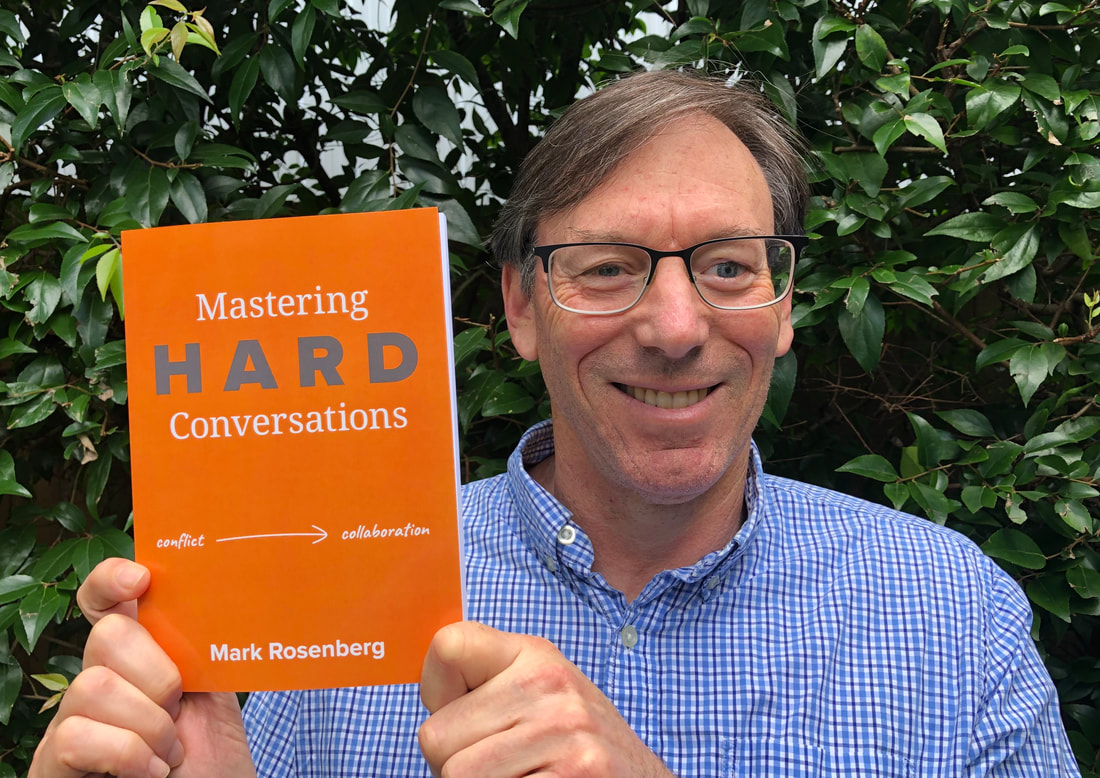 As a lawyer, Mark was dealing with hardcore disputes that were expensive and involved a lot of management time. As a mediator, however, he realised his strength was dealing with conflict. Over the years he has helped thousands of leaders become better at having hard conversations. With this wealth of knowledge and firsthand experience, Mark wanted to share what he's learned with others so they have the opportunity to be better communicators and handle conflict better - afterall, it's something that many of us struggle with! He did this utilising the experience of the team at Publish Central (who also told him about RM Marketing Services!) and published a book called Mastering Hard Conversations: Turning Conflict into Collaboration. The key message of the book is simply: conflict in the workplace is inevitable. That means that as a leader - whether that's the CEO or senior management team, or a leader within your own team, or a thought leader within an organisation - being skilled in dealing with conflict and having uncomfortable conversations has enormous benefits. Mastering Hard Conversations provides a proven, practical, structured approach to help you become a better leader by improving your communication and conflict skills. Mark came to us to talk about marketing and publicity support - as well as support and advice while he navigated the world of publishing and bookselling. Like many independently published authors, navigating the metadata minefield was the first challenge - ensuring that accurate, enhanced information on the book was sent out in data feeds to online booksellers was tricky for someone who hasn't experienced it before. For many indie authors, online booksellers are THE main sales channel due to the nature of publishing and distributing a book using the Ingram Spark platform (print to order and ebook distribution) so getting this information right was a priority. We then discussed ways of disseminating information about the book to core booksellers and library suppliers. We also mapped out plans for content and social media posts, particularly using LinkedIn for engagement where Mark had a loyal, supportive following. We also worked with some online sites and Mark spoke to his peers who have podcasts about teams and teamwork. Our good friends at Books+Publishing included him on their #booksareessential campaign which has 10,000 followers on Instagram. We liaised with reviewers and we provided promotional and marketing support as the weeks progressed. As icing on the cake, Mark was able to turn a profile about his house into an article about the house, his dogs Peggy Sue and Honey, and his book! The article is below however the online article had a different heading - Lockdown at home proved perfect for Mark Rosenberg to write about conflict management - which was pretty perfect! You can read it here on The Australian website.  Since we've been working with Mark on his book, we've seen Mastering Hard Conversations in and out of the Top 50 books in mediation and conflict resolution on Amazon, and even in the Top 3! It's a book that resonates with readers because it's practical, well-written and helps them develop their knowledge and skills in conflict resolution and communication within teams. You won't be surprised to hear, we're big fans of the book, particularly Chapter 8 - Dealing with Certifiable Assholes! Listen to Mark speak about that chapter here.
As an executive coaching working with leaders at all levels of management I can’t recommend this book highly enough. Most of us find ‘hard conversations’ extremely difficult and none of us are born with the skills of knowing how to have them well. Mastering Hard Conversations provides a clear, practical guide: there are great tips and examples, not just for having a challenging conversation, but also how to prepare to have one. This is definitely a book that every leader should have at hand. A Guide to Book2Look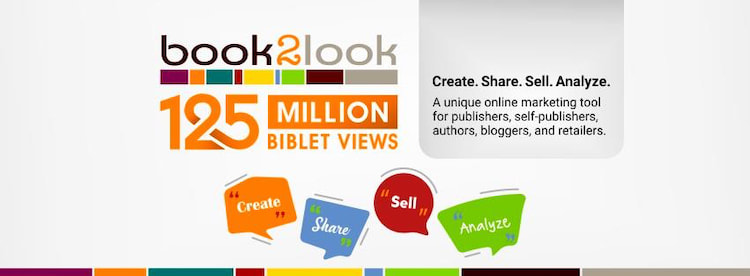
The Book2Look (B2L) service has been around for years now and is a helpful "look inside" tool for publishers and authors - it is designed to help sell books online by recreating the bookshop browsing experience. If you're not familiar with B2L, it's a URL that contains a package of marketing goodness as it contains your (online) promotional material in one central portal. A B2L widget (biblet) allows readers to flip through a book, read more about the author, watch video or listen to audio, read reviews, order the book through shopping links and more! It also provides publishers with analytics to track views, clicks, embeds etc to work out what promotional activites and channels are creating the most engagement. Here at RM Marketing Services we buy B2L widgets in batches for our clients as they are often part of the marketing mix for new books. We've been using them for a couple of years now and thought it was time we gave a rundown for publishers and their authors as to the best way to use the service to promote their books. Setting up the content Firstly, before you create a new biblet on the site, decide on what section of a book you'd like to offer up as a "look inside" for readers. It might be the first chapter, several chapters, selected pages. A fiction book, for example, might offer up the intro, set the scene, and then cut it off at the point the reader is invested in the story and wants to keep reading. A non-fiction book might provide longer chapters for viewers to get a feel of the book whereas a highly illustrated work would require selected pages to "show-off" the work. Scholarly presses would consider Table of Contents and contributor information, perhaps a chapter that provides a good overview of what the work covers without giving away the essence of it. Decide on your content and prepare the PDF. We prefer to extract the pages from the typeset file and have them in one separate file which you would mark as 100% view. Otherwise you can load the full content and select the nominated pages when you set up the widget.
What's not surprising about this particular widget is the view count. Views are very high (B2L provides a number of analytical tools) as it's been marketed in social media channels, EDMs, and websites. The book is $69.95 so the consumer can look inside and ascertain if the book is what they are looking for - either for them or as a gift for someone - before ordering online or going into a bookshop to purchase it.
Shopping links
One of the downsides to B2L is the rather limited number of websites they offer up as standard - particularly if you are in Australia and New Zealand. Of course they have Amazon, The Book Depository and Booktopia but we have a vibrant independent bookshop culture here who have a good online offering. As these logos don't come up automatically in B2L we endeavour to save our preferred bookshop logos, resized for B2L, and manually load them for each widget we create but this does take time, particularly if the logos are rectangle/too long for the available logo space in the platform. We then put the shopping links in order as to the booksellers who have ordered stock or have it available to purchase. If an independent bookshop is doing a marvellous job marketing the books to their community, we put them higher up the scale to support their endeavours. If a chain bookseller has taken lots of stock, we take that into account as well. We provide readers with options - direct selling from the publisher's website, indies and chains. And yes we've had clients who don't want to list the almighty Amazon and those that want all the major sites to be listed. Find out the business philosophy and sales strategy that's right for you. Our one is to not limit sales avenues - an order is an order, make it easy for readers to buy your books, preferably with one click. Book reviews When you set up your B2L pre-publication you might not have reviews available but over time collate your URLs and add them to the widget. Another downside to the site is that you can't ATTACH a PDF of a review - it must be a URL and in the day of paywalls, that isn't a great experience for people wanting to read more about the book if the review requires a subscription to access. Make sure you save your favourite quotes from a review and add them to your own product page - if selling directly from your site - use that URL as the primary link for the book when you set up shopping links. We always put the publisher's website first. Over time the B2L site will pick up bits and pieces automatically to add to the reviews - it might be reader reviews from GoodReads or articles about the author in the mainstream media. You can actually use the tools on B2L to "fetch reviews" and can then manually add anything that hasn't been picked up via SEO. We try and check in our links every month or so for active titles. Audio Files and Video Content You can load audio files so if you've got an author reading an extract from the book, add it in the widget. Video content is also super helpful - and it's easy, grab your URL and include it in the relevant section. We put in book trailers for example.
Book2Look widgets are available through Thorpe-Bowker/My Identifiers and Nielsen. And of course RM Marketing Services offer them as part of a marketing campaign. Buying a single biblet through the bibliographic agencies can be pricey (pending special offers from time to time) so we buy in bulk for our clients to bring the cost down. Another reason to consider using RM Marketing Services for marketing, publicity and promotional campaigns. Contact us today.
Every Stranger's Eyes by Ben Randall Every Stranger’s Eyes is Part One of the incredible true story behind the acclaimed documentary Sisters for Sale  Watch the trailer for Sisters for Sale Young women on the border between Vietnam and China find themselves caught between a violent custom and a vicious criminal underworld... The multi-award-winning documentary Sisters for Sale is an incredible true story of hope, courage, and freedom. This new book, Every Stranger’s Eyes, tells the first four amazing years of that story. Investigating the mysterious disappearances of his local friends May and Pang, an Australian filmmaker uncovers a human trafficking crisis and sparks an amazing series of events. Betrayed, kidnapped, and forced into marriage with strangers, May and Pang – still only teenagers – are forced to make the heartbreaking choice between their baby girls and their own freedom. Every Stranger’s Eyes is a powerful and deeply personal account illustrating the importance of direct action and the dangers of losing sight of what you believe in. Since its premiere in Italy in November 2018, Sisters for Sale has won awards and acclaim at film festivals around the world for exceptional filmmaking and courageous storytelling. It has now been translated into more than a dozen languages – an extraordinary feat for such a small production. Sisters for Sale is a five-year story. Every Stranger’s Eyes covers the first four of those years, from February 2010 to January 2014. The second part of the story, Suspicious Minds, will be released in mid-2020.   
RM Marketing Services is delighted to be working on the new release campaign for David Box's new book Australian Gin. Read more about the book below. Available from John Reed books, December 2019.
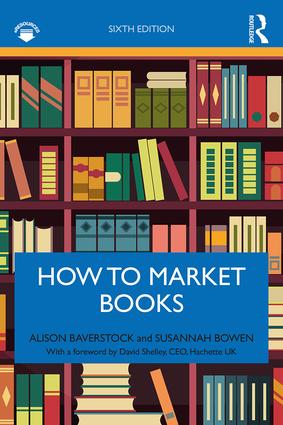
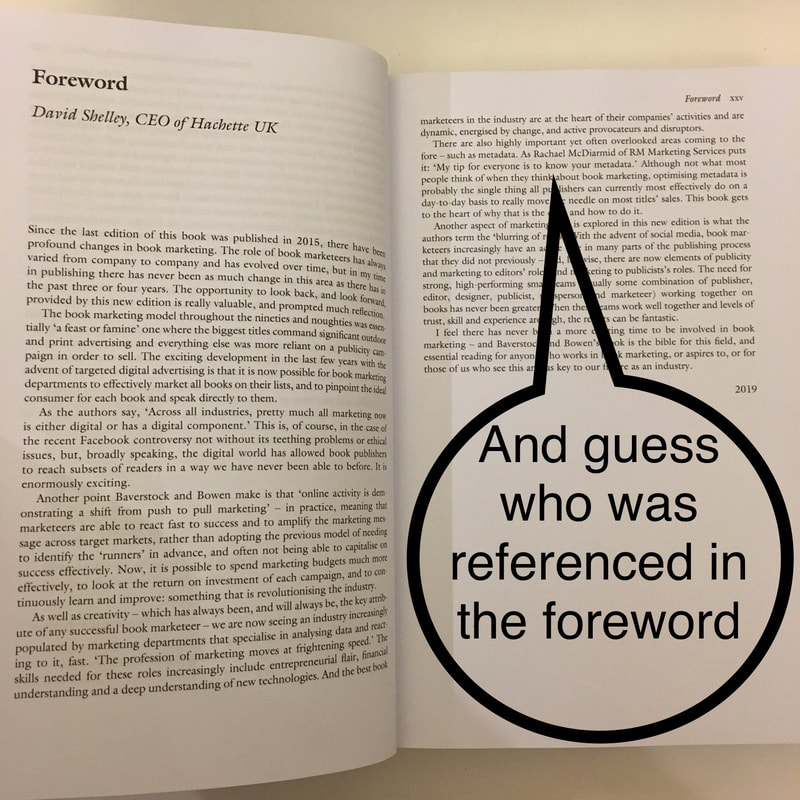
The latest edition of How to Market Books, 6th edition has arrived. Written by Alison Baverstock and Susannah Bowen, and published by Routledge, the new book must indeed be THE bible for the publishing industry today. It won't surprise you to know the first thing I did was go to the index to see if my name and business name were listed. Indeed they were! I wondered what quotes would be picked up so I looked at the relevant pages. The first one about customer service and making adjustments in line with how your buyer wants to receive book information was more of an off the cuff remark but the second one got to the heart of what makes me tick - database marketing and making sure your message goes to the right people. That goes way back to direct marketing in the early 90s and years of sending out promotional materials - flyers, catalogues, postcards - to a database of contacts and ensuring everyone was coded to their field of expertise to yield higher response rates. The principles still apply for digital marketing. But I digress. The 6th edition has everything a book marketer needs. In fact if every publishing house doesn't have a copy of this book somewhere in their office, I'd be annoyed. It should be required reading. Particularly by people who come into book publishing thinking it's like other industries. It's not. It's unique. It has a language of its own. It has its quirks. And it has its issues. You need to understand the basics and then the industry as a whole. And at 480 pages, this book may just cover everything you need to know to be successful in publishing in an ever changing industry. Because the book publishing industry is changing. Always changing. And marketing has to adjust to these changes. How to Market Books, 6th edition is very comprehensive. Part 1 covers general principles and understanding - marketing and marketing in publishing; what's for sale?; market research and other sources of marketing information; the role of marketing within the business of publishing. Part 2 covers putting principles into practice - reaching the market (how best to approach your customers); how to write a marketing plan; selling; direct marketing; digital marketing; publicity and PR; working with authors and other vital partnerships; organising events, presentations and other opportunities to share content; techniques to writing effective copy; the layout and design of marketing materials. And Part 3 is specific advice to particular markets. Some of these chapters could be stand alone books. They would make excellent podcasts and even videos on training sites. They are essential reading. I'm so overwhelmed by the content in this book that I can't simply put it on my shelf with the rest of my business and publishing industry books. Even though I've been in the industry nearly 30 years, this book is a living, breathing document and one I think I'd like to pick up more frequently so I'm putting it close to me while I'm working. For me, there's very little in here I don't know - but it's great to have the refresher from time to time. But of course the biggest surprise of the book came in the foreword by David Shelley, CEO of Hachette UK. As I read through it a name jumped out at me. It was my own. Of all the people he could have quoted in this industry, he quoted me. This is one hell of a book for one hell of an industry. Congratulations to the authors and everyone in the industry who contributed to the book. A five-star reference. Get a copy now from your preferred bookshop or online bookseller. For more information click here to go the publisher's website.
Recently I was asked to do a presentation at UTS to a delegation of Chinese publishers on digital disruption in the Australian book industry in marketing and distribution. The organiser asked me to include some of the changes to publishing and distribution I've seen in the nearly three decades I've worked in the trade. When I was talking there were smiles as I summarised bits and pieces - now and then and the here and now - so I thought I'd share on the blog ...   There is no doubt whatsoever that technology has changed what we do, why we do it, how we do it. Digital is part of the every day and it’s hard to imagine life without the internet, apps, mobile devices etc. So to begin let’s wind the clock back three decades. What does Australian publishing look like? The bulk of titles, at least for the major and second tier publishers, were imported from UK and/or US head office distribution centres who had a strong say on what was purchased for the ANZ market. Local publishing programs existed particularly in educational publishing, and publishers distributed their titles through their own warehouse, often attached to their building. Orders were phoned, faxed (faxes had recently arrived in the workplace!) and mailed through to customer service, reps took orders when they called on booksellers or at the annual book fair which alternated between Sydney and Melbourne. Basic Bibliographic data was entered into distribution systems manually so orders could be keyed by data entry staff. Price and availability enquiries were predominantly done via the phone lines. Wait times could be long at busy periods. With regards to inventory: Buying in titles from overseas was done via catalogue information, published twice a year, with titles six months ahead of publication, and metadata which may or may not have been correct at the time of printing, rights information would always change. Textbooks were expensive (which has never changed) so academic publishers like Maxwell Macmillan where I first started my career would have an International Student edition printed, primarily out of Singapore, on cheaper paper and at a much cheaper price for students. We could price the books whatever we wanted to, marked up high for own margins. There was no goods and services tax. We would airfreight in a small number of copies for reps and marketing & publicity and the bulk came through ocean freight. It would take at least 3 months from the UK and 2 months from the US. If booksellers didn’t place their orders in a timely manner, they would not receive them for months unless they paid a special surcharge for us to air in. Orders to warehouses overseas were done every few weeks to consolidate. Everyone waited for their books. We were the only place they could get them. It was the norm. With regards to marketing: Marketing was much simpler. We did A LOT OF MAILINGS! There was one computer for marketing staff who had to book it in advance in order to create price lists and order forms in Wordperfect. We often only had US marketing materials and naturally Australian booksellers wanted to have prices in AUD. Design departments would also grow with graphic designers using Apple’s Pagemaker and they would create promotional materials for us. Four colour printing for marketing was unheard of. We often used the photocopier and may have even used colour paper to make something look more presentable. By the late 90s we could sent to a printer using 1 colour ink. That was very exciting. As there was of course no internet, we worked off US catalogues sometimes we wouldn’t find out we didn’t have the rights to sell a book in our region for months after we would take it to market – finding out only when we chased supply with our international warehouses or if a bookseller phoned us to say they had seen the same title from another publisher. Review copies with media releases were posted out extensively. Sometimes you even used the fax to send out media alerts. You often didn’t know when something was reviewed unless a bookseller mentioned it on the phone to customer service or you heard or watched it firsthand. We paid clipping services - an expensive service that would scan the print media and send clippings of all the reviews. They were like gold in your hand. Fast forward three decades to now....  It is rare for a publisher to do its own distribution unless you are one of the majors and you offer third party services to keep costs down and make some money from a competitor. Many publishers use a larger distribution centre and their software and workflows to manage their inventory. New title workflows vary between publishers but there will always be a trade release date for the majors so third party publishers have to make sure they have their stock in, inline with the release schedule. There are KPIs, there are penalties, and there are very real costs for storage of books, orders and returns. Every transaction has a fee. Large print runs are not normal except for first tier authors due to cost, space and risk. Printers turn around requests quickly – there is option for short runs and of course Print on Demand. Nielsen BookScan provides data to publishers on what books are selling through the registers at the bookstores and other channels. Publishers can better forecast when to press the reprint button. Technology and the information it provides has helped with inventory management and competitor information. It has also provided solutions.
You want to read the winner of the Booker prize which has just been announced on Twitter. Can’t access the print book? There is the option of immediately downloading the ebook when you purchase through Amazon, Apple, Kobo or see if it is available to borrow through your library through platforms like Overdrive, BorrowBox, Axis360. These digital suppliers are available via the web from your computer or through a handy app on your mobile device of choice. If it’s a scholarly book you would be looking for access through your university library. YOU expect access through the university library. And yes, you can now access etextbooks through vendors like Proquest and their Ebook Central Platform. Publishers will either do their own distribution of ebooks and upload them to multiple sales partners directly via FTP or will outsource this to other providers. Ingram for example plays a core role in both ebook distribution as well as some of the larger print distribution warehouses like IPG in the US. Many publishers have thriving local publishing programs. They make the decision locally as to what to import from their overseas offices and often do a local print run or format change rather than freighting books in – in this market we prefer trade paperbacks over the hardcovers for example. More often than not there are global release dates. Distributors of other publishers products release a month later when airfreight stock come in however others books that are not time sensitive still have a two month delay for their ocean freight to arrive to keep costs down. However they will have gone to market already with that title and have had some copies aired in. Orders from booksellers are sent via edi. Others are scanned and sent via email. Faxes still exist but many publishers don’t have one anymore, but the distributors do they have to for the older booksellers who still use them. Key accounts will have electronic workflows so they receive edi notifications, electronic invoices, advance shipping notices, credits, statements etc. Pricing of books has changed. The majority are overseas price converted plus GST (no markup as the customer will know – the customer is very savvy – the customer has the internet), some prices may even be cheaper than overseas however that presents problems for textbook publishers in particular who have a re-exportation issues which I won’t go into here. Price and availability is only a phone call to a distributor as a last resort. Your first point of call as a bookseller is Titlepage – the web based APA initiative that has about 80% of the industry onboard. If booksellers can’t find it on Titlepage they will then open up Baker & Taylor’s database or Ingram’s ipage. You then Google it to try and find the publisher directly. There are still calls to distribution call centres but most of the correspondence they receive is via email, particularly re order management so there is a written trail of correspondence and requests from customers. Booksellers don’t expect to wait for books. Ironically they can get overseas published books faster from the overseas wholesalers than from a local distributor. The way booksellers order has changed – smaller copies more frequently and of course expecting the publisher to have a consistent flow of stock to meet demand. They know they lost many consumers to Amazon and The Book Depository years ago so those booksellers who are still standing, and even thriving particularly independents and online, have to provide a high level of service locally for those that appreciate service above cost. It’s been estimated over many years that the Australian book market has lost between $200-300 million in sales to Amazon etc. I think it's more. Bibliographic data is comprehensive. ONIX is the standard for disseminating that information. Nielsen and Bowker have core roles to play with title data and of course Nielsen has BookScan which has revolutionised the way publishers receive information about the sell-thru of their titles and those of their competitors. Salesforce and other CRMs keep tabs on customers and business development opportunities. For those that require training on resources or who are very remote there is the option of Webex or Skype for Business etc. These days It’s about search and discovery. And the internet. And SEO. Don’t include an image and customers think it’s not available. No description. Customers will move on. Even the way publishers design their cover images has changed. They have to imagine how the cover looks like on the web and how to make it attractive (white covers are not practical unless they have interesting borders for example). Pricing. Consumers are pricing savvy. They know how to search for cheap books. Booko for example will collate information from the web and show them the prices offered by online booksellers and chains. So speed to market is critical. Competitive pricing and service are essential. These cost money but margins are being reduced on all sides in order to give the consumer what they want. What they demand. As without the customers everyone wouldn’t exist. Marketing has changed dramatically. Database marketing and analytics mean we know more about the customer better from their online activities. We know what they read, what they click through to, what they purchase. At least online. We have Google Alerts and Google Analytics. We have Google fullstop! Print promotional materials, particularly catalogues are less in demand, postage costs have almost disappeared as marketers have moved to email marketing. Marketing systems like Mailchimp, Marketo, Campaign Monitor, Constant Contact help profile customers and link into other systems effectively for better analytics. They are also free to a point. We have social media opportunities to explore all sides of publishing – Twitter, Facebook, Instagram, YouTube, Pinterest and others present different channels for sharing content, ideas and engagement – with authors, with consumers, with customers. Authors and author branding have become key in this online world as has genre marketing – sci-fi, romance and of course the big one YA. Event marketing, writers festivals, conferences have provided more avenues to reach both an existing and potential customer base. With the rise and rise of Print on Demand and better options for short run printing, publishers can produce Advance Reading Copies, often unedited, to get booksellers and reviewers engaged early. For those that prefer ebook over print there is NetGalley. Get them talking about forthcoming books using new channels and sites like GoodReads. Create a buzz. Hashtag. #itsallaboutthebuzz And when I say get “them” talking. I’m not talking about traditional book reviewers. The space in mainstream media for book reviewers has decreased. Literary editors predominantly review only books from the major publishers, with whom they have a direct relationship with their publicists. It’s the Instagrammers, The YouTubers “vloggers” that have social media influence and tens of thousands if not hundreds of thousands of followers who note their book recommendations. This is particularly strong in YA. And of course we have multiple formats of products – print, ebook, online, app. Digital has presented many opportunities to exploit content. And marketing has had to accommodate in all the different channels and vendor partners to support sales and product development. Print and promotional marketing still has a role but it is digital marketing has seen the most investment and focus from publishers.
|
AuthorRachael McDiarmid has been in the Australasian book trade since 1990. Working in trade, academic and professional publishing as well as library supply and book distribution, she's worked with thousands of publishers, distributors, library vendors, and authors around the globe. She loves a belly laugh, strong coffee, wine, and good food. Venice is her favourite place in the world to visit but Sydney will always be home. She loves her office assistant Dash (also known as Dashie, Dashie Dog and the Little Shit). If you haven't already worked it out, she is known for her no bullshit approach. Archives
July 2024
Categories
All
|












 RSS Feed
Recommendations"Rachael is, quite simply, a book industry genius."
— Franscois McHardy, Former Managing Director, Simon & Schuster Australia "I thoroughly recommend her for her insights and intelligent analysis." — Terri-Ann White, Director, Upsell Publishing & Former Director, UWA Publishing |
for more recommendations please go to LinkedIn
|